Dişlerinizi Evde Doğal Olarak Beyazlatmanın 5 Basit Yolu
Dişlerinizi beyazlatmak için seçebileceğiniz
birçok ürün var. Bununla birlikte, çoğu beyazlatma ürünü, dişlerinizi
beyazlatmak için birçok insanı ilgilendiren ve sağlığına
zararlı olabilecek kimyasallar kullanır. Daha beyaz dişlere sahip olmak ve aynı zamanda bunu sağlarken kimyasallardan kaçınmak
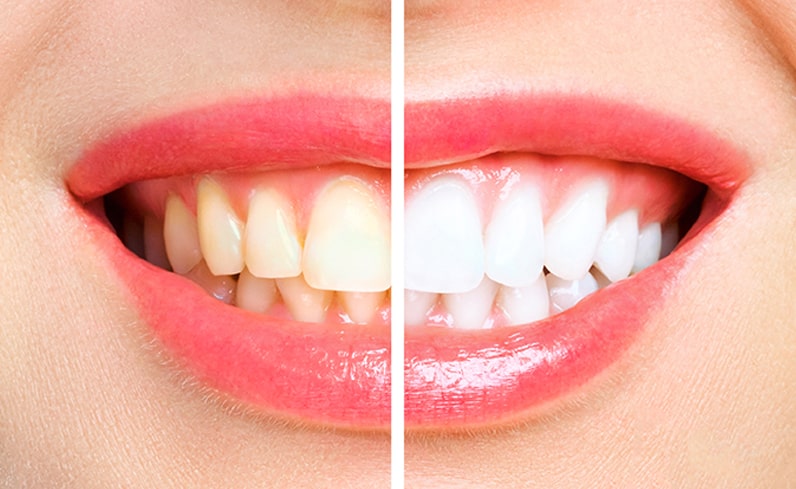
istiyorsanız hem doğal hem de güvenli birçok seçeneğiniz var. Dişlerin sarı görünmesine neden olan nedir? Birden fazla faktör dişlerin matlaşmasına ve
parlak, beyaz ışıltısını kaybetmesine neden olur. Bazı yiyecekler dişlerinizin en dış tabakası
olan minenizi lekeleyebilir. Ek olarak, dişlerinizde plak oluşumu onların sarı
görünmesine neden olabilir. Bu tür renk değişikliği genellikle düzenli
temizleme ve beyazlatma ilaçları ile tedavi edilebilir.Bununla birlikte, bazen
dişler sarı görünür, çünkü sert mine aşınır ve alttaki dentin ortaya çıkar.
Dentin, minenin altında yer alan sarı kemiksi bir dokudur. İşte dişlerinizi doğal olarak beyazlatmanın 6
basit yolu:
1. Yağ çekme alıştırması yapın
Yağ çekme; doğal yağların, ağızda bir kaç
dakika çalkalanarak, ağız içerisindeki bakterilerin yok edilmesine denir. Yağ çekme sırasında ağız içi bakteriler bu yağa tutunur ve bir kaç
dakika içerisinde oluşan, yağ- atık bakteri karışımı tükürülerek vücuttan atılır. Uygulama, plaklara dönüşebilen ve dişlerinizin
sarı görünmesine neden olabilen bakterileri çıkarmak için ağzınızda yağ
gezdirmeyi içerir. Geleneksel olarak Hintliler yağ çekmek için
ayçiçeği veya susam yağı kullanırlar, ancak herhangi bir yağ yine aynı işe yarayacaktır. Hindistan cevizi yağı hoş bir tada sahip olduğu
ve sağlığa birçok faydası olduğu için popüler bir seçimdir. Hindistan cevizi yağı ayrıca iltihabı azaltma
ve bakterileri öldürme yeteneğiyle bilinen laurik asitbakımından da yüksektir. Birkaç çalışma, günlük yağ çekmenin plak ve
diş eti iltihabı ile birlikte ağızdaki bakterileri azalttığını göstermiştir. Streptococcus mutans, ağızda plak ve diş eti
iltihabına neden olan başlıca bakteri türlerinden biridir. Bir çalışma, susam
yağı tükürüktekiStreptococcus mutans'ı 1
hafta kadar kısa bir sürede önemli ölçüde azalttığını buldu. Ne var ki, hiçbir bilimsel çalışma
yağ çekmenin dişlerinizi beyazlattığını kanıtlamamıştır. Ancak, güvenli bir uygulamadır
ve denemeye değer. Birçok kişi, düzenli yağ çektikten sonra dişlerinin daha
beyaz ve daha parlak olduğunu iddia ediyor. Yağ çekme için ağzınıza 1 yemek kaşığı
hindistan cevizi yağı koyun ve yağı dişlerinizin arasından itip çekin.
Hindistan cevizi yağı oda sıcaklığında katıdır, bu nedenle erimesi için birkaç
saniye beklemeniz gerekebilir. 15-20 dakika yağ çekmeye devam edin. Hindistan cevizi yağını bir tuvalete veya çöp
kutusuna tükürdüğünüzden emin olun, çünkü tahliye borularınızda tekrar katı forma dönebilir ve borularda tıkanmaya neden olabilir. Diğer birçok diş beyazlatma yönteminin aksine,
hindistancevizi yağı çekme, dişlerinizi asit veya mineyi aşındıran diğer
bileşenlere maruz bırakmaz. Bu, günlük olarak yağ çekmenin güvenli olduğu anlamına gelir. Hindistan cevizi yağını internetten satın
alabilirsiniz.
2. Kabartma tozu ile fırçalayın
Kabartma tozu, doğal beyazlatma özelliklerine
sahiptir, bu nedenle ticari diş macunlarında popüler bir bileşendir. Dişlerdeki yüzey lekelerini temizlemeye yardımcı
olabilecek hafif bir aşındırıcıdır. Ek olarak, kabartma tozu ağzınızda
bakterilerin büyümesini engelleyen alkali bir ortam oluşturur . Bu, dişlerinizi bir gecede beyazlatacak bir
çözüm değildir, ancak zamanla dişlerinizin görünümünde bir değişiklik fark edeceksiniz. Bilim, sade kabartma tozu ile fırçalamanın
dişlerinizi beyazlatacağını henüz kanıtlamadı, ancak birkaç araştırma, kabartma
tozu içeren diş macununun önemli bir beyazlatma etkisi olduğunu gösteriyor. Bir çalışma, kabartma tozu içeren diş macunlarının,
dişlerden sarı lekeleri çıkarmada kabartma tozu içermeyen standart diş macunlarından
önemli ölçüde daha etkili olduğunu buldu. Kabartma tozu konsantrasyonu ne kadar
yüksek olursa, etki o kadar büyük olur . Ayrıca, beş çalışmanın gözden geçirilmesi,
kabartma tozu içeren diş macunlarının, kabartma tozu içermeyen diş macunlarından
daha etkili bir şekilde dişlerden plak çıkardığını buldu . Bu ilacı kullanmak için 1 çay kaşığı karbonatı
2 çay kaşığı su ile karıştırın ve macunla dişlerinizi fırçalayın. Bunu haftada
birkaç kez yapabilirsiniz. Bir marketten kabartma tozu satın
alabilir veya çevrimiçi olarak bulabilirsiniz.
3. Meyve ve sebze yiyin
Meyve ve sebzelerden ağırlıklı oluşan bir diyet hem vücudunuz hem de dişleriniz için iyi olabilir. Onları fırçalamanın yerini tutmazken, gevrek,
çiğ meyve ve sebzeler çiğnerken plakların ovalanmasına yardımcı olabilir. Çilek ve ananas dişlerinizi beyazlatmaya yardımcı
olduğu iddia edilen iki meyvedir. Çilekler Çilek ve kabartma tozu karışımı ile
dişlerinizi beyazlatmak, ünlüler tarafından popüler hale getirilen doğal bir
çözümdür. Bu yöntemin savunucuları, çileklerde bulunan
malik asidin dişlerinizdeki renk bozulmasını gidereceğini, kabartma tozunun ise
lekeleri parlatacağını iddia ediyor. Ancak, bu çare bilim tarafından tamamen
desteklenmemiştir. Çilekler dişlerinizi pul pul dökmeye ve daha
beyaz görünmelerine yardımcı olsa da, dişlerinizdeki lekelere nüfuz etmeleri
pek olası değildir. Yakın zamanda yapılan bir araştırma, çilek ve
kabartma tozu karışımının, ticari beyazlatma ürünlerine kıyasla dişlerde çok az
renk değişikliği ürettiğini buldu. Bu yöntemi denemeye karar verirseniz, kullanımını
haftada birkaç kez ile sınırlayın. Çilek ve kabartma tozu macununun diş minesi
üzerinde minimum etkiye sahip olduğunu gösteren çalışmalara rağmen, aşırı
kullanım hasara neden olabilir. Bu ilacı kullanmak için taze bir çileği ezin,
kabartma tozu ile karıştırın ve karışımı dişlerinize fırçalayın. Ananas Bazıları ananasın dişleri beyazlattığını iddia
ediyor. Bir araştırma, ananasta bulunan bir enzim olan
bromelain içeren bir diş macununun, diş lekelerini çıkarmada standart bir diş
macunundan önemli ölçüde daha etkili olduğunu buldu . Bununla birlikte, ananas yemenin aynı etkiyi
yarattığına dair bir kanıt yoktur.
4. Diş lekelerini oluşmadan önleyin
Dişleriniz yaşlandıkça doğal olarak sararsa da
bazı şeyler dişlerinizdeki lekeleri önlemeye yardımcı olabilir. Yiyecek ve içeceklerde lekelenmeyi sınırlayın Kahve, kırmızı şarap, soda ve koyu renkli
meyveler dişleri boyamakla ünlüdür. Bu, onlardan tamamen kaçınmanız gerektiği
anlamına gelmez, ancak bu maddelerin dişlerinizle temas ettiği süreyi sınırlamanız
gerekir. Mümkünse, dişlerinizle doğrudan teması önlemek
için dişleri lekelediği bilinen içecekleri pipet ile için. Ayrıca, dişlerinizin rengi üzerindeki
etkilerini sınırlamak için bu yiyecek veya içeceklerden birini tükettikten
hemen sonra dişlerinizi fırçalayın. Ek olarak, sigara içmekten ve tütün çiğnemekten
kaçının çünkü her ikisi de diş renginin bozulmasına neden olabilir. Şeker alımınızı sınırlayın Daha beyaz dişler istiyorsanız, şeker alımınızı
azaltın. Şeker oranı yüksek beslenmek, plak ve diş eti iltihabına neden olan birincil bakteri türü olan
Streptococcus mutans'ın büyümesini destekler. Şekerli bir yiyecek tükettiğinizde hemen
dişlerinizi fırçaladığınızdan emin olun. Yemeklerinizde bol miktarda kalsiyum alın Bazı diş renklenmeleri, minenin aşındırılması
ve altındaki sarı olan dentinin açığa çıkmasından kaynaklanır. Bu nedenle diş
minesini güçlendirmek için yapacağınız her şey dişlerinizin inci gibi beyaz
kalmasına yardımcı olacaktır. Süt, peynir ve brokoli gibi kalsiyum açısından
zengin besinler dişlerinizi mine erozyonundan korumaya yardımcı olabilir.
5. Fırçalamanın ve diş ipi
kullanmanın değerini küçümsemeyin
Bazı dişlerde renk değişikliği doğal olarak
yaşla birlikte gelse de, büyük ölçüde plak oluşumunun bir sonucudur. Düzenli olarak fırçalamak ve diş ipi
kullanmak, ağzınızdaki bakterileri azaltarak ve plak oluşumunu önleyerek
dişlerinizin beyaz kalmasına yardımcı olabilir. Diş macunu dişlerinizdeki lekeleri nazikçe
ovalar ve diş ipi kullanmak plak oluşumuna neden olan bakterileri yok eder. Düzenli diş temizliği de dişlerinizin temiz ve
beyaz kalmasına yardımcı olabilir. Kanıtlanmamış diğer yöntemler Birkaç doğal diş beyazlatma yöntemi daha vardır,
ancak bunların güvenli veya etkili olduğunu kanıtlayacak hiçbir bilimsel kanıt
yoktur. Kanıtlanmamış yöntemlerden bazıları şunlardır: Aktifleştirilmiş odun kömürü. Toz kömürle dişleri fırçalamanın toksinleri çektiği, ağızdan ve dişlerden
lekeleri çıkardığı iddia ediliyor. Kaolin kili. Bunun savunucuları bu yöntemin, kil ile fırçalamanın dişlerdeki lekeleri çıkarmaya
yardımcı olduğunu iddia eder. Meyve kabukları. Portakal, limon ile ovmak veya muz kabuğunun dişlerinizi daha beyaz yaptığı iddia ediliyor. Bu yöntemlerin savunucuları, dişleri önemli
ölçüde beyazlattığını iddia ediyor, ancak hiçbir çalışma bunların etkinliğini
değerlendirmedi. Bu aynı zamanda dişler üzerinde kullanıldıklarında yan etkiler
açısından test edilmedikleri anlamına gelir.
Dişlerinizi beyazlatmaya yardımcı olacak
birkaç doğal yöntem vardır. Bu ilaçların çoğu, dişlerinizdeki yüzey lekelerini
nazikçe çıkararak çalışır. Ancak çoğu diş hekimi bu doğal ilaçlardan çok
daha güçlü beyazlatma tedavileri sunar. Bu
tedaviler şiddetli diş renk değişikliği için daha etkili olabilecek dişlerin
beyazlatılmasını içerirler. Herhangi bir beyazlatma ürününün aşırı kullanımı
dişlerinize zarar verebilir. Seçenekleriniz ve hangisinin sizin için en iyi
sonucu vereceği konusunda daima diş hekiminize danışın.