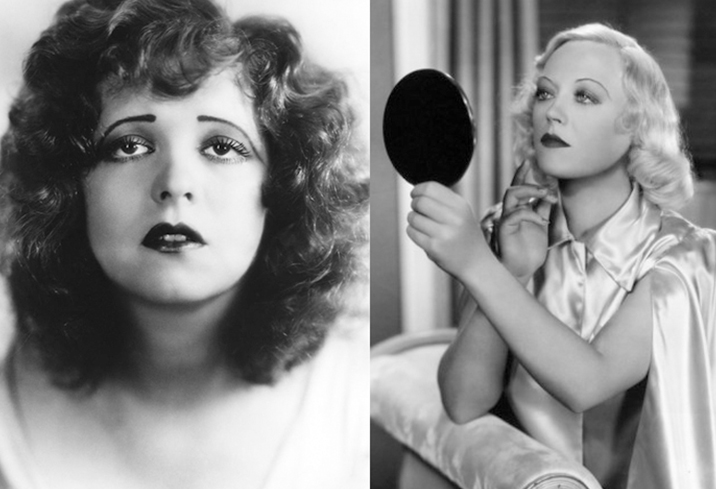
İnsanlar var olduğundan beri makyaj vardı ve bugün dünyadaki hemen hemen her toplumda kozmetik bulunur. İşte makyaj da yüz boyama tarihi.
Antik dünya
Mısır
Kohl ve kına da dahil olmak üzere günümüzde hala popüler olan birçok kozmetik malzeme ilk olarak eski Mısır'da kullanıldı. Her sınıftan erkek ve kadın, gözlerini genellikle koyu yeşil, siyah veya mavi olan renkli sürmelerle süslerdi. Bu sürmenin halkı nazardan koruduğu sölenirdi . *Bilim adamları bu makyajdaki kurşunun, bakterileri öldürdüğü için kullanıcıları daha sağlıklı tutmuş olabileceğine inanıyor. Ayrıca Mısırlıların hint yağını koruyucu bir merhem olarak kullandığını ve Romalıların balmumu, zeytinyağı, gül suyu ve daha fazlasını içeren kremler kullanarak tarif ettiğini biliyoruz.
Dünyanın ilk kırışıklık önleyici serumları da eski Mısır'da kullanılıyordu.
Çin
Kraliyetler altın veya gümüş tırnak boyaması yaparken, alt sınıfların parlak tırnak boyamaları yapması yasaktı.
Eski Çin'de, sosyal sınıf oluşturmanın bir yolu olarak MÖ 3000 dolaylarında tırnak boyamaya başlandı.
Yüzüne bir taç yaprağı düştüğünde güzelliği artan bir prenses hakkındaki bir folklor masalından kaynaklanan erik çiçeği makyajı (yukarıda resmedilmiştir), Tang ve Song hanedanları (618-1279AD) boyunca da popülerdi.
Japonya
Geyşalar hala çarpıcı makyajlarıyla ünlüdür. Başlangıçta kaşlarını ve dudaklarını boyamak için ezilmiş aspir yapraklarından yapılmış ruj ve yüzlerini renklendirmek için pirinç tozu kullandılar. Resmi törenlerde, dişleri renklendirmek için ohaguro adı verilen siyah bir boya kullanıldı (ve hala kullanılıyor).
Avrupa
Daha da geriye, Büyük İskender hem estetik hem de sağlık nedenleriyle makyaj yaptı. Göz makyajı "göz çevresindeki hassas cildi korudu, sinekleri uzak tuttu… ve gözleri güneşin parıltısından korudu." Asya'yı dolaşırken İskender, özellikle güzellik ürünleri için bir bahçe oluşturabilmeleri için Atina'daki bir arkadaşına bitki kesimlerini gönderirdi.
20. yüzyıl
1900'lerde, alt sınıflar, zamanlarının çoğunu dışarıda tarlalarda çalışarak veya mallarını satarak geçiren işçilerdi. Sonuç olarak, genellikle bronz tenleri vardı. Soluk bir ten, geliri için çalışmak zorunda olmayan soylu veya aristokrat bir kişiyi sembolize etmeye geldi. 1900'lerin makyajı sonuç olarak bu solgun görünümü taklit etmeye çalıştı. Tozların ana bileşeni genellikle arsenik olduğundan, yüzünüzü beyazlatmak 1900'lerde tehlikeli bir uygulamaydı. Şu anda kozmetik rutin, basit bir pudralı yüz, yanaklara renk getirmek için çimdikleme ve yanmış kibritlerle koyulaşan kirpikler içeriyordu. Dudakları renklendirmek için renkli yapraklar veya ıslak kırmızı kağıt mendil kullanıldı. Film endüstrisi patlamasıyla birlikte Hollywood, 1920'lerde popüler kozmetikler üzerinde büyük bir etkiye sahip olmaya başladı. Popüler aktrislerin makyaj sanatçıları, halkın makyajı nasıl kullandığını dramatik bir şekilde etkiledi ve bu sırada büyük kozmetik isimler öne çıktı. Tasarımcılar Hollywood'un izinden gitti ve klasik bir görünüm popüler hale geldi: koyu renk gözler, kırmızı ruj ve bronzluk. Makyaja yönelik yeni, erişilebilir yaklaşım İkinci Dünya Savaşı sırasında kozmetik arzının az olması nedeniyle tökezledi. Ancak bu, İngiliz kadınlarının çekici kalmasını engellemedi. Sonuçta hükümet onlara sürekli olarak "güzelliğin bir görev olduğunu" hatırlattı. "Güzellik bir görevdir"
Pancar, dudak lekesi için popüler bir takviyeydi ve rimel olarak çizme cilası kullanımına kıyasla nispeten zararsız olduğunu kanıtladı. Belki de en kötü eğilim, margarin ve tebeşir karışımından yapılan fondötendi. 1960'larda ve 70'lerde ana akım feminizmin yükselişi, birçok kadının kozmetik karşıtı bir harekete katıldığını gördü. Makyajın, toplumun kadınlara insanlardan ziyade seks nesneleri olarak muamele ettiğini gören bir nesneleştirme aracı olduğunu iddia ettiler. Susan Brownmiller, makyajsız yüzü “feminizmin onurlu yeni görünümü” olarak adlandıracak kadar ileri gitti. "Feminizmin onurlu yeni görünümü."
Ancak tüm kadınlar böyle hissetmedi. 1970'lerde bir kozmetik firması , dünyayı bayan pazarlamacıyla tanıştırdı. Bazı feminist şüphelere rağmen, genel fikir birliği, makyajın popülaritesinin kadınlara girişimci, mucit, üretici ve distribütör olarak fırsatlar sağladığıydı. 1970'ler, makyaj yapan erkekler için gerçek bir patlama zamanıydı. Basmakalıp cinsiyet rollerini tersine çevirmek, karşı kültüre meydan okumanın bir simgesiydi. The Cure'un solisti Robert Smith, "Saçımı uzatmaya, makyaj yapmaya başladım çünkü okulda buna izin verilmedi" diye hatırlattı. Rock grubu KISS'in ikonik makyajı, 1970'lerde New York 'parıltı hareketinin' bir parçası olarak sahne varlıklarının temelini oluşturdu. David Bowie, Alice Cooper ve Iggy Pop gibi birçok glam rock erkek sanatçı, hem sahnede hem de sahne dışında daha gösterişli makyajlar yapmaya başladı. Özellikle Bowie, kozmik Ziggy Stardust ile kozmetik manzarayı değiştirdi. Biseksüel, cinsiyete meydan okuyan, makyaj yapan bir uzaylı olan Ziggy, binlerce makyaj eğitimi veren bir yüze sahipti.
Akla gelebilecek tüm makyajlara erişim sağlayan 1980'ler, cesur rujlar ve büyük saçlarla birleştirilmiş parlak göz farlarına sahipti - Boy George ve Madonna gibi şarkıcıların ustalaştığı bir stil. 1990'lar normcore ve grunge'ı ana akıma getirdi. Yüzler temiz ve doğal ya da çok sürmeli gözlerve koyu renk dudaklarıyla kendini belli ediyordu. Gwen Stefani, Courtney Love ve Winona Ryder, Billie-Joe Armstrong, Kurt Cobain ve Johnny Depp ile birlikte grunge görünümde çalıştı.
Bugün
21. yüzyılda makyaj herkes içindir. Erkekler, kendi özelliklerini geliştirmek için kapatıcı ve eyeliner gibi ürünlere hızla yöneliyor. Cinsiyet eşitliği hareketleri ilerledikçe, kimin makyaj yapıp yapamayacağı arasındaki çizgi giderek daha da bulanıklaşıyor. Artık makyaj, kim olursa olsun, kendini ifade etmenin bir aracı olarak görülüyor.